Ancient Tamil Culture Alive Today
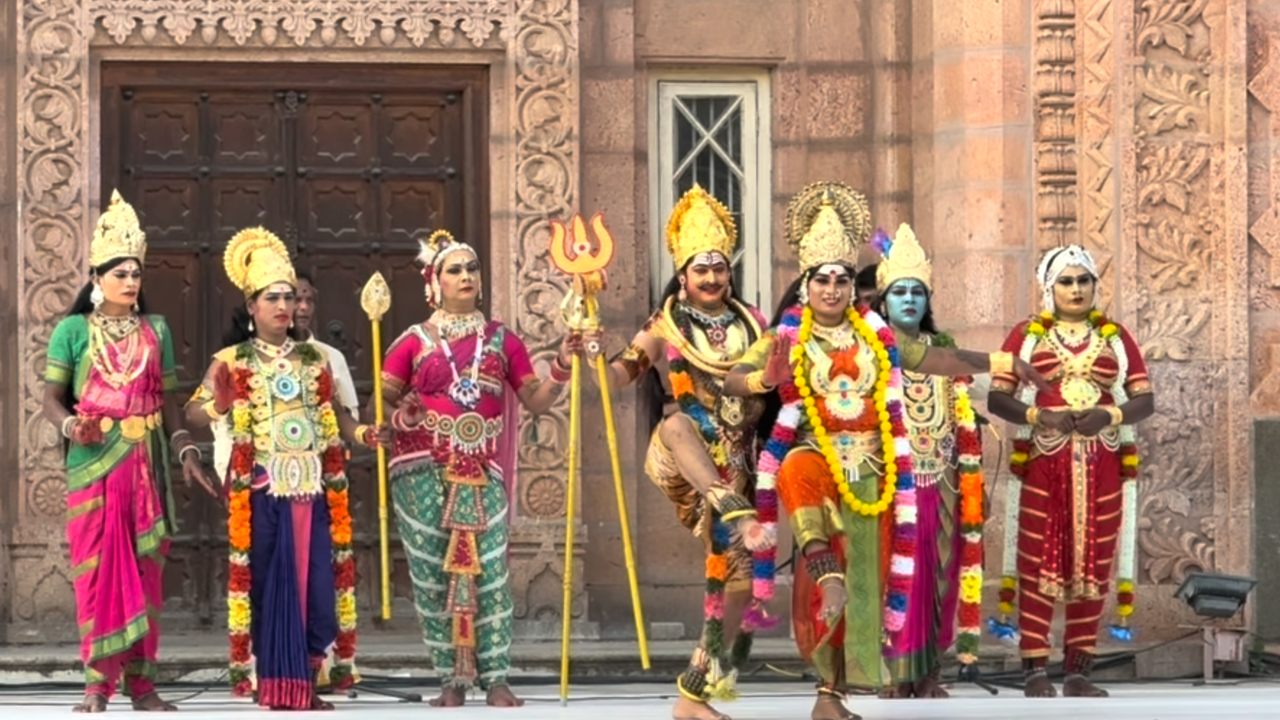
During the vibrant harvest festival of Pongal, the air in Tamil Nadu buzzes with excitement as a rich tapestry of local events unfolds, celebrating the deep spiritual heritage of the region. Amidst the joyful festivities, one highlight stands out: a mesmerizing dance performance that brings to life the powerful deities of Shiva and Shakti, captivating audiences with its grace and fervor. Devotion to Shiva as a personal God as well as being identified with the Absolute Reality has endured in this part of India from the earliest of times.
Tamil culture is one of the oldest living traditions in the world, boasting a remarkable history that may stretch back between 2,500 to 3,000 years or even further, as suggested by compelling archaeological evidence. Ancient artifacts hint at a heritage that could be even more venerable, resonating with the echoes of a civilization that has thrived through the ages. The culture cannot be separated from its spirituality, nor spirituality from its culture: the two are inextricably intertwined.
The land's ancient lineage is bolstered by scholarly agreement concerning Tamil inscriptions discovered across various regions, dating back to the 5th to 3rd centuries BCE. Furthermore, the corpus of Sangam literature—the cherished classical texts of the Tamil people—are typically placed between 300 BCE and 300 CE. These timeless works illustrate a society rich in language, intricate social structures, flourishing economy, and established political systems, signaling the presence of a sophisticated culture that likely has roots even deeper in history. Or, to borrow a phrase from Mark Twain, older than time, older than history.
Excavations at significant sites like Keeladi in Tamil Nadu unveil remnants of urban settlements that trace back to 600 BCE or possibly even earlier. These remarkable discoveries reveal not only evidence of literacy and vibrant trade but also a complex civic life, stretching the timeline of Tamil culture to an astonishing 2,600 to 3,000 years or more. The human genome project made remarkable discoveries about the DNA of communities in the region, even now, dating back 70,000 years and before to the early human migrations out of Africa.
Within Tamil tradition, ancient Sangams (communities) echo tales of a civilization that transcends recorded history. Some scholars and cultural historians, passionately arguing their points, suggest that Tamil culture may indeed be around 4,000 to 5,000 years old, although mainstream archaeology is still on the journey to authenticate this intriguing claim.
What imbues Tamil culture with its extraordinary uniqueness is not merely its age but its remarkable continuity and resilience. The Tamil language, with its poetic expressions, flourishing literature, and vibrant cultural practices, remains not only alive but ever-evolving in the present day, carrying the legacy of a remarkable heritage forward into the future.
Author-Educator and Musician-Producer

Russill Paul
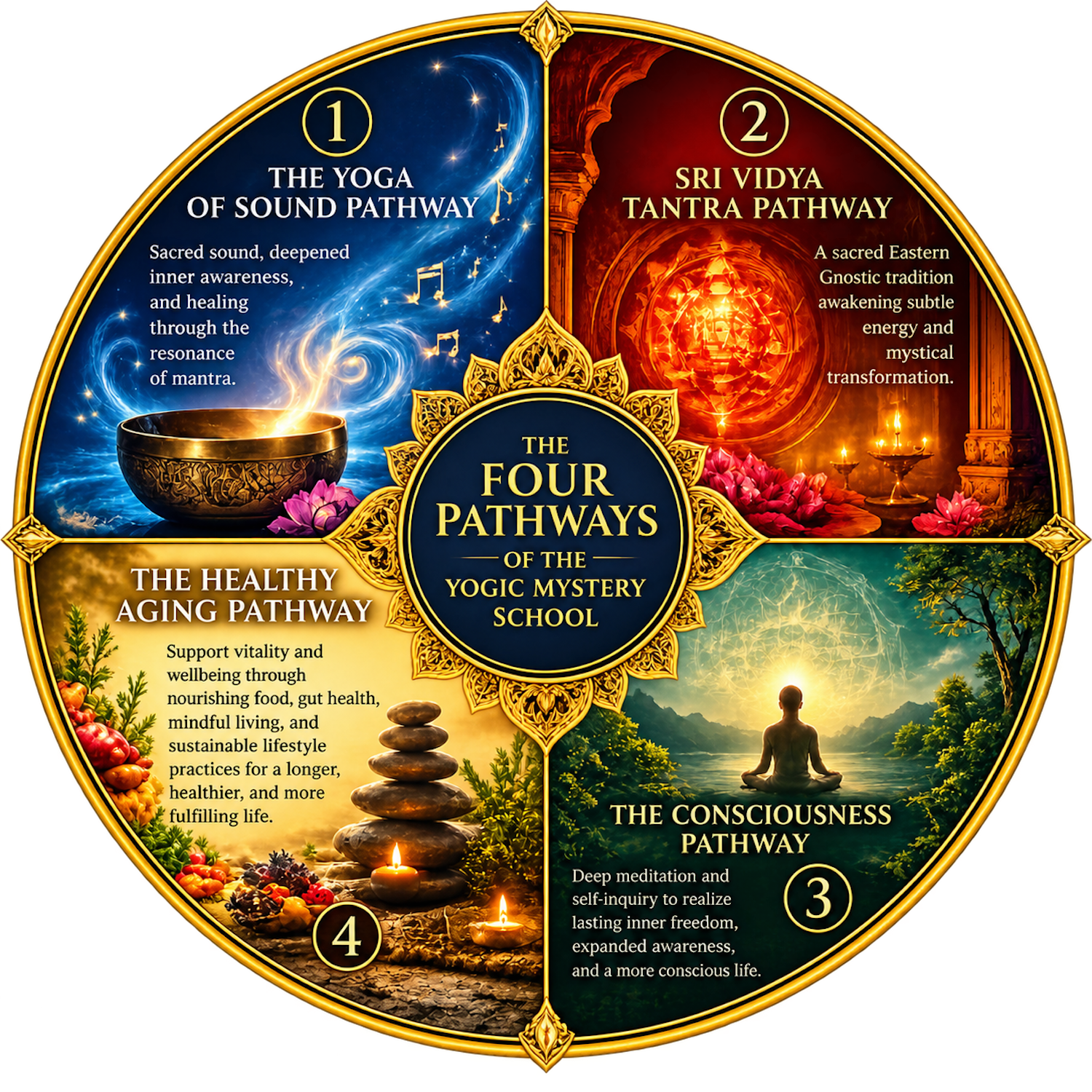
Russill Paul is the author of The Yoga of Sound: Tapping The Hidden Power of Music and Chant and co-founder of Yogic Mystery School with his wife, Asha, an integrative health coach. He teaches internationally and online. They live in Austin, Texas.
Our New Cooking Club!
Develop a sacred kitchen as you also learn healthy recipes and healthy cooking methods.

Asha Paul is an educator, author, coach, and passionate cook who is deeply committed to promoting health and well-being. Passionate about helping others feel their best and age gracefully, she shares her knowledge through online teaching. Asha resides in Austin, Texas, with her husband, Russill.