Shiva's Cosmic Dance: The Tandava
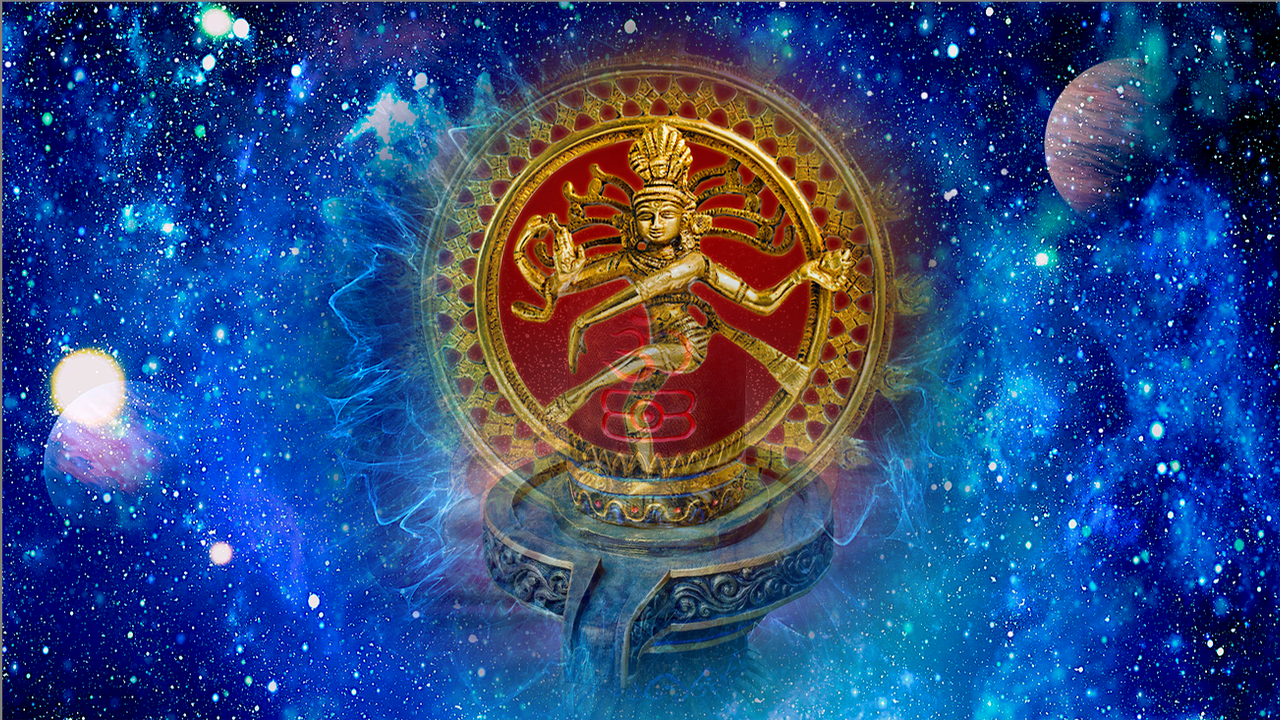
Maha Shivaratri unfolds in a tapestry of multiple symbolisms. At their core, they invite us to transcend the shadow side of our souls and rent the veils of our spiritual ignorance. It is a sacred night dedicated to achieving profound inner stillness and an immersive depth in meditation. This is the night when the divine energies of consciousness and vitality—the sacred union of Shiva and Shakti—dance together in harmonious embrace. Would we be willing to enter their whirlwind of intimacy, beauty, and depth this night?
This year, our focus is on the mesmerizing cosmic dance of Shiva, the Tandava, urging us to join in the dance of life itself. Personally, confronting this idea is daunting; the mere thought of swaying to music in public fills me with dread, leaving me acutely self-conscious. Eleanor Roosevelt once wisely suggested that we should embrace something that terrifies us each day, a mantra I am striving to embody. Would I rise to the occasion? Well, the night is young.
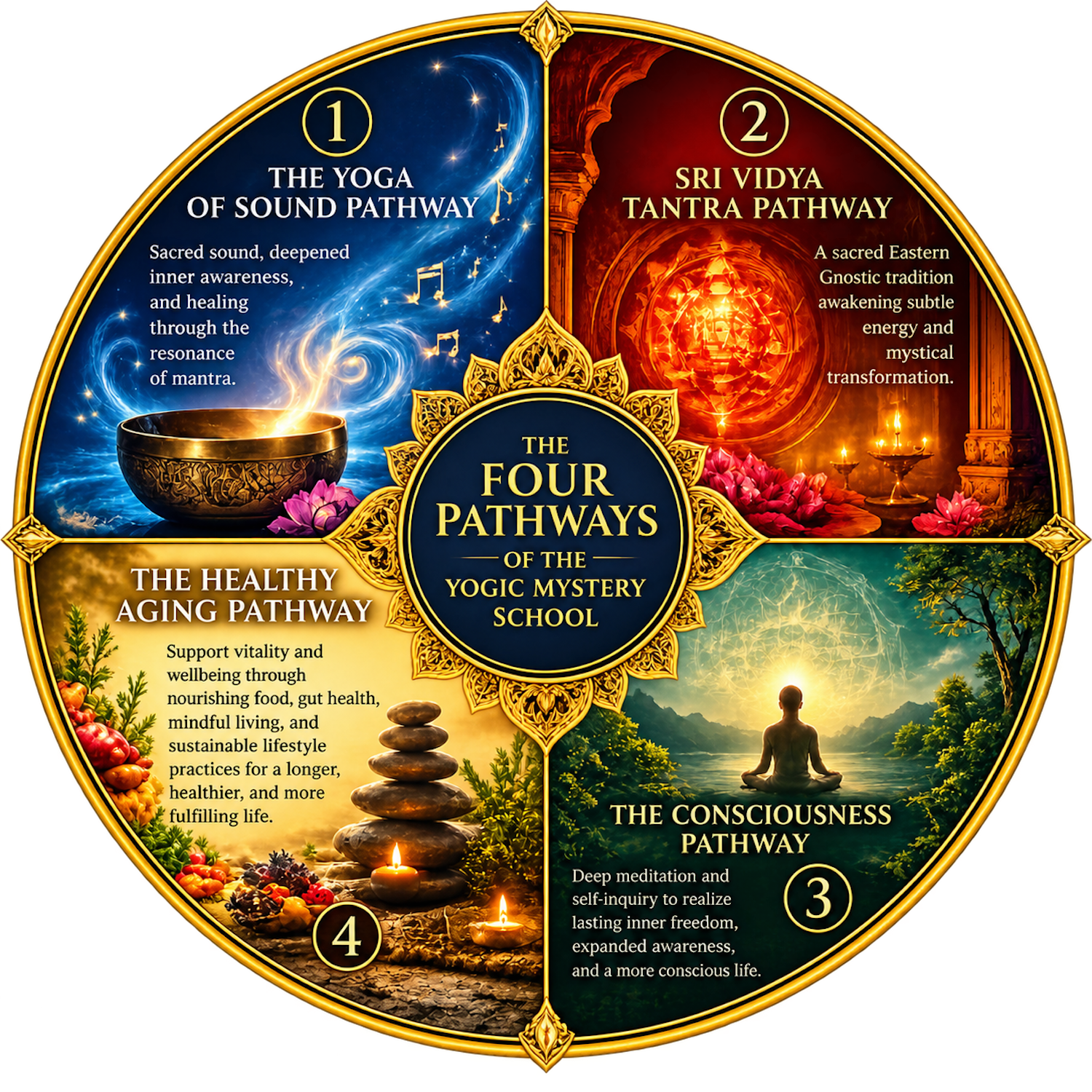
Shiva's Tandava is an exhilarating, rhythmic dance that encapsulates the very cycles of existence—creation (shrishti), preservation (sthiti), and destruction (laya). Within our Yogic Mystery School, we embrace a tri-part method in nearly every practice. For instance, across all our programs, we intertwine threads of improving our practice, expanding our perspective, and enhancing our presence. Practice without perspective, we feel, can become rote. And perspective without practice can be abstract. Most of all, it is presence, the quality of our consciousness, that is the true benchmark for our fulfilment.
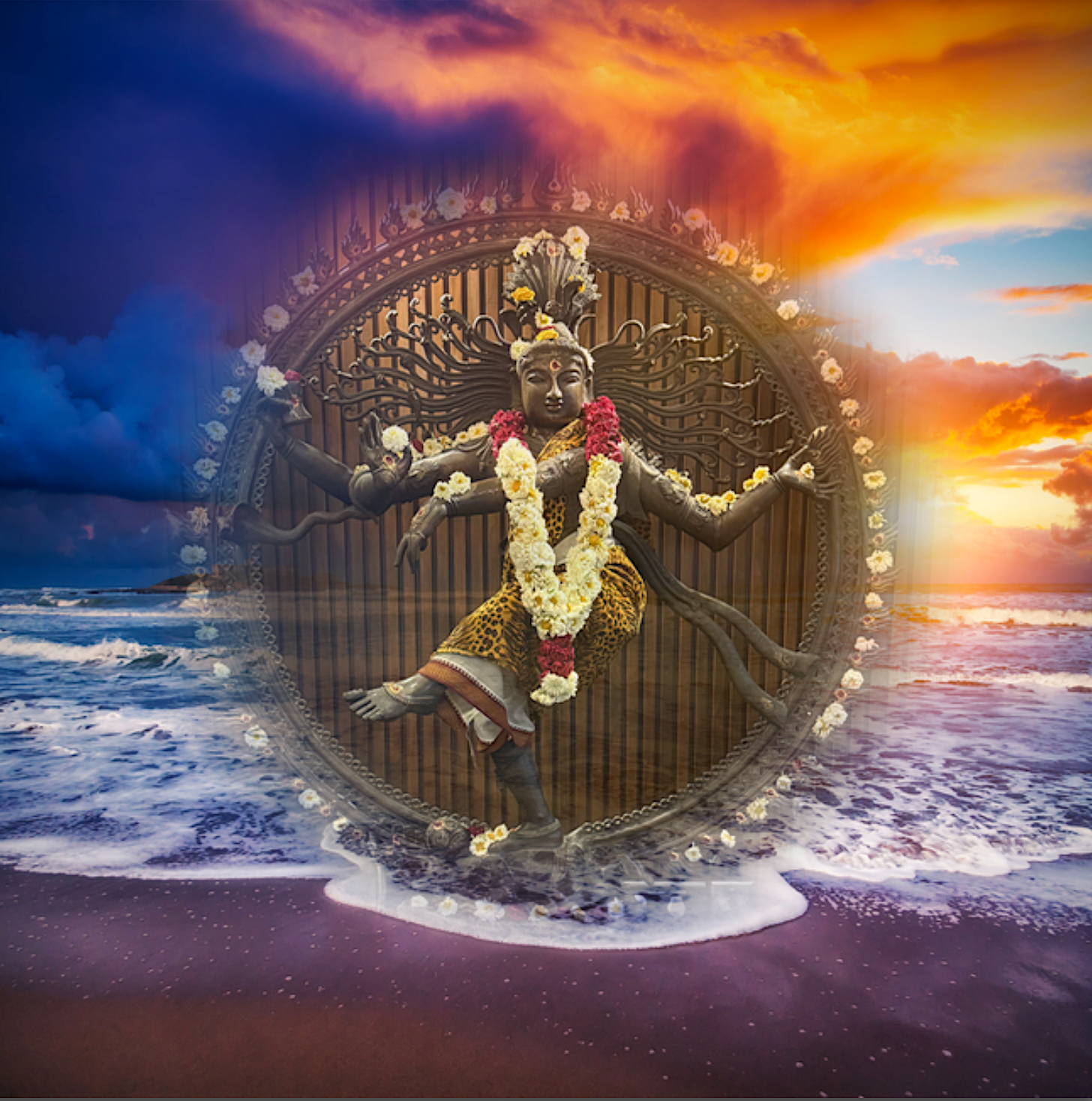
Did you know that there are many variations of the sacred "tāndava" dance, each embodying its own unique essence? For instance, there is the Shiva Tandava, a vibrant explosion of energy, pulsating with the rhythm of life itself, captivating all who witness its fierce celebration. Then there is the Rudra Tandava, which channels a tempest of fury, with movements swift and powerful, igniting a sense of awe and reverence in its wake. Lastly, there is the Ananda Tandava, which dances forth with pure joy, radiating bliss and harmony, uplifting spirits through its graceful expressions. And there are others, too.
Delving into the intricate iconography of Shiva Nataraja reveals astonishing connections. His dance epitomizes the transformation of chaos into order, manifesting a divine rhythm that resonates through the beat of Shiva's drum—the Damaru. This drum embodies the primordial vibration of the cosmos, echoing the sacred sound of Om. The radiant circle within which Shiva dances, known as the Prabhamandala, powerfully symbolizes this dynamic transformation. The fire that flickers in his opposite hand represents the raw power of metamorphosis through destruction. This radiant energy illustrates the unwavering truth: nothing can resist the ultimate process of evolution, growth, and enlightenment.
As we gaze at Shiva's feet, the raised foot embodies liberation (moksha), a beckoning to freedom. In contrast, the foot that dances upon Apasmara signifies ignorance and ego—those limiting chains that hinder our ascent toward enlightenment.
During our pilgrimage through the vibrant landscapes of India, we often stood in awe of the birthplace of this potent symbol, whose roots stretch back to at least the 6th–9th centuries in South India. Shiva, celebrated as the cosmic dancer, is known as Nataraja, translating to "Lord of the Dance." This title, resonating through time, was famously used by Michael Flatley for his mesmerizing Irish choreography. Intriguingly, even Christ has been honored with this title, yet it was Shiva who first embodied it centuries earlier. It was in a 1963 hymn by Sydney Carter that Jesus was immortalized as "Lord of the Dance," inspired in part by the majestic statue of Shiva, forging a timeless connection across cultures and spiritual traditions.
Author-Educator and Musician-Producer

Russill Paul
Russill Paul is the author of The Yoga of Sound: Tapping The Hidden Power of Music and Chant and co-founder of Yogic Mystery School with his wife, Asha, an integrative health coach. He teaches internationally and online. They live in Austin, Texas.
Our New Cooking Club!
Develop a sacred kitchen as you also learn healthy recipes and healthy cooking methods.

Asha Paul is an educator, author, coach, and passionate cook who is deeply committed to promoting health and well-being. Passionate about helping others feel their best and age gracefully, she shares her knowledge through online teaching. Asha resides in Austin, Texas, with her husband, Russill.