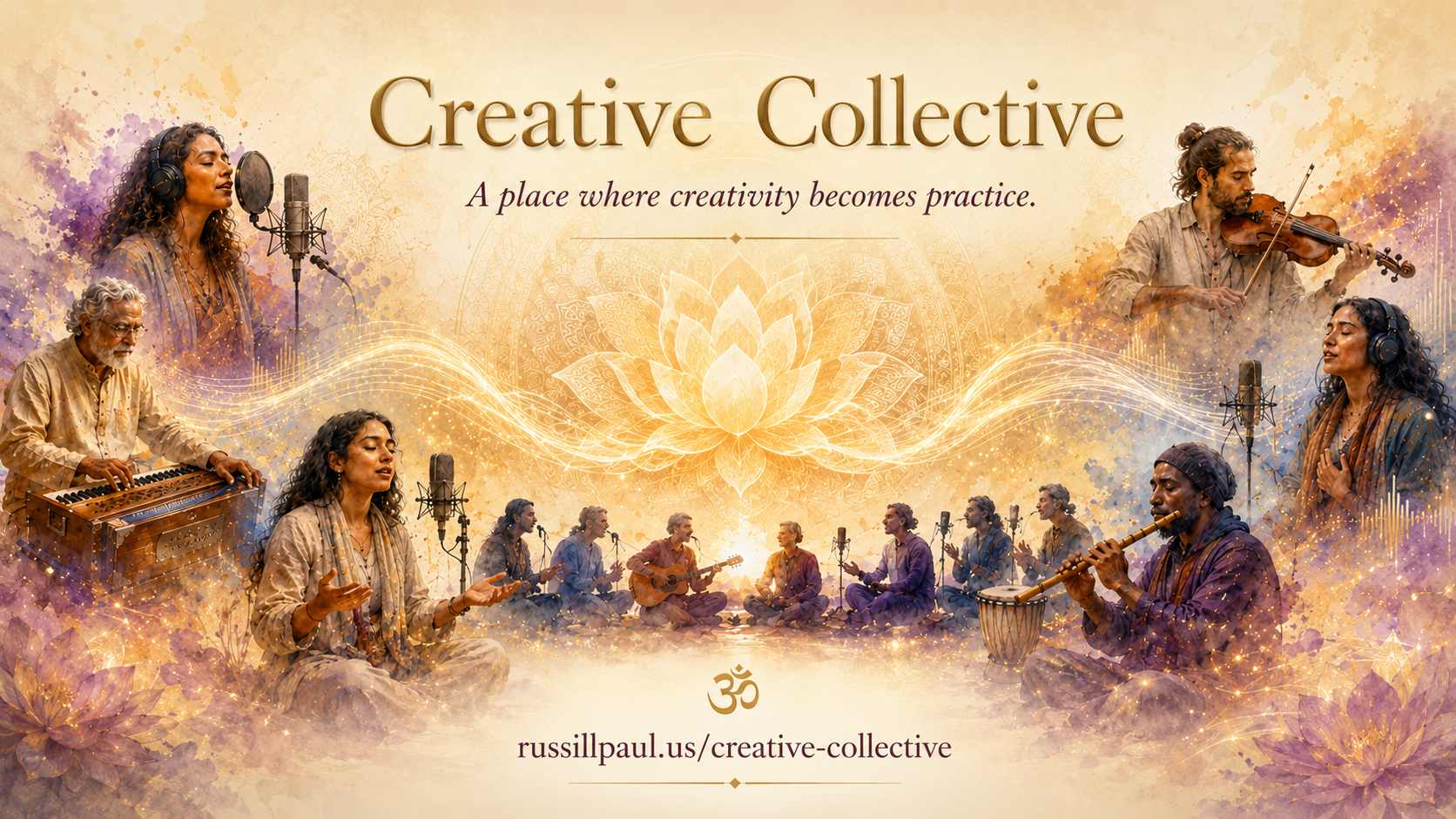
CREATIVE COLLECTIVE
Therapeutic Sound Applications

Over many millennia, humans have used sound and music for healing in cultures around the world. Shamans are the perfect example. With their rattles, drums, and vocalizing, they invoke a spirit or take the person in need of healing into a dimension not known in ordinary states of consciousness. In the 1600s, the western world learned of such conditions through trance-induced yogis who could sleep on a bed of nails and offered cures to various ailments. Later, in the 60s, non-ordinary states of consciousness were associated with psychedelic drugs such as LSD used by hippies. Unfortunately, neither of these examples does justice to the healing power of non-ordinary states. At the same time, we need to take care not to be quick to assume that any non-ordinary state achieved by any means can be helpful to our healing. Finally, we might like to add that a certain maturity is necessary to approach the process with integrity. This article is about such maturity and integration.
In psychology,...
3 Ways To Mantras And Creativity
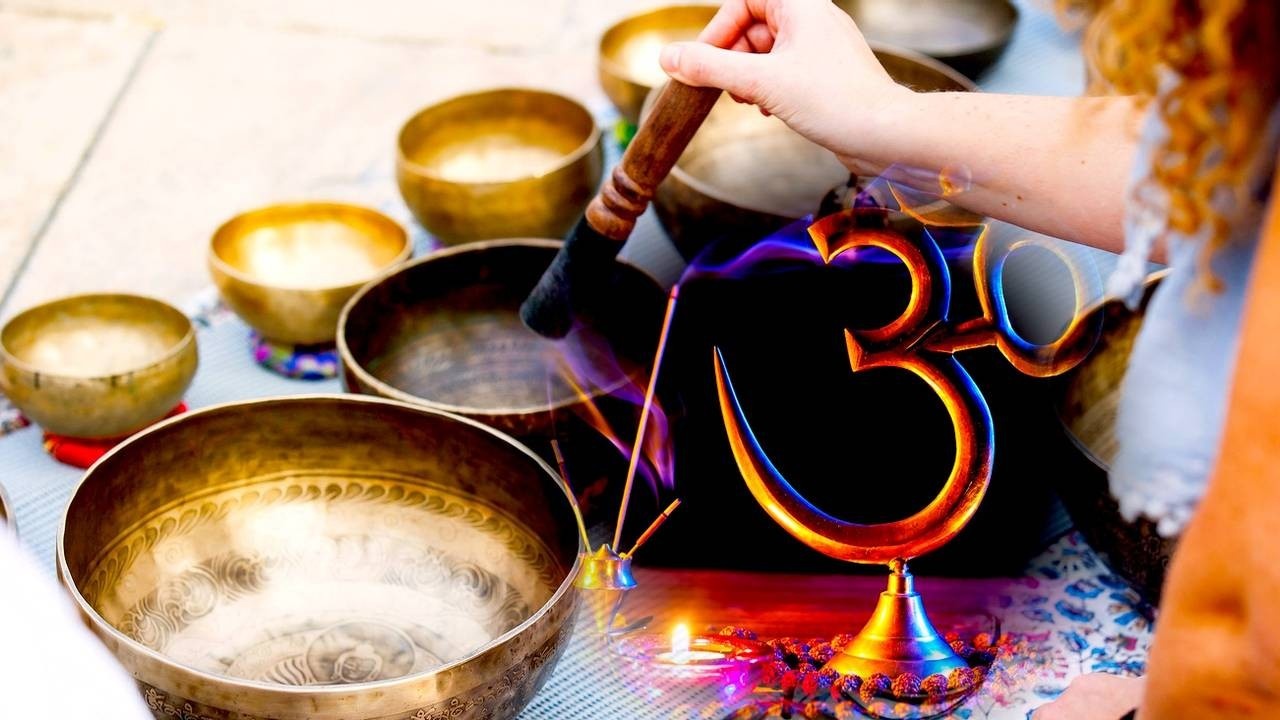
First published in Common Ground May/June 2021 as "The Yoga of Sound: Mantras and Creativity"
When repeating a mantra is boring,
here's how to enliven your practice.
Today, there is widespread interest in kirtan and in mantra chanting, especially within the yoga community. It is as though Western yoga has discovered its soul through these expressions. And there is a lot of creativity happening with mantras, which while good in some ways, can compromise the power and potency of mantras on the other. Creativity, however, is important! It is in itself a form of healing. Mantras too are a form of healing. How then do we bring the two together—mantras and creativity?
Health, we are fast realizing, is not simply the absence of disease: it is a condition of soul that invigorates our being, enabling us to derive the most from life. Also, the effects of yoga as well as of sound vibrations upon our health and well-being have garnered credibility in recent decades. What if we can combine t...
The Bhakti Solution
In this blog, you understand when devotional mantras are helpful to the healing process and when they are not a good part of the solution.
Devotion, from the human perspective, is our ability to appreciate the presence of another. In this sense, a husband might be "devoted" to his wife, a mother to her child. In eastern spirituality, there is also devotion to a guru, a teacher who can be seen and heard.
However, the most profound form of devotion in spirituality is developing a relationship with the unseen, the invisible. How, though, do we develop such a capacity? One way, and a somewhat effective way at that, is to develop devotion in and through our voice.
Bhakti is the cultivation of devotion through the voice, but relating this sensitivity to something hidden and mysterious. While there are "forms" in Bhakti, the forms only serve to mediate that which is formless.
The Bhakti approach to mantras is a specific category or stream within the overall sacred sound system in Indian s...
Author-Educator and Musician-Producer

Russill Paul
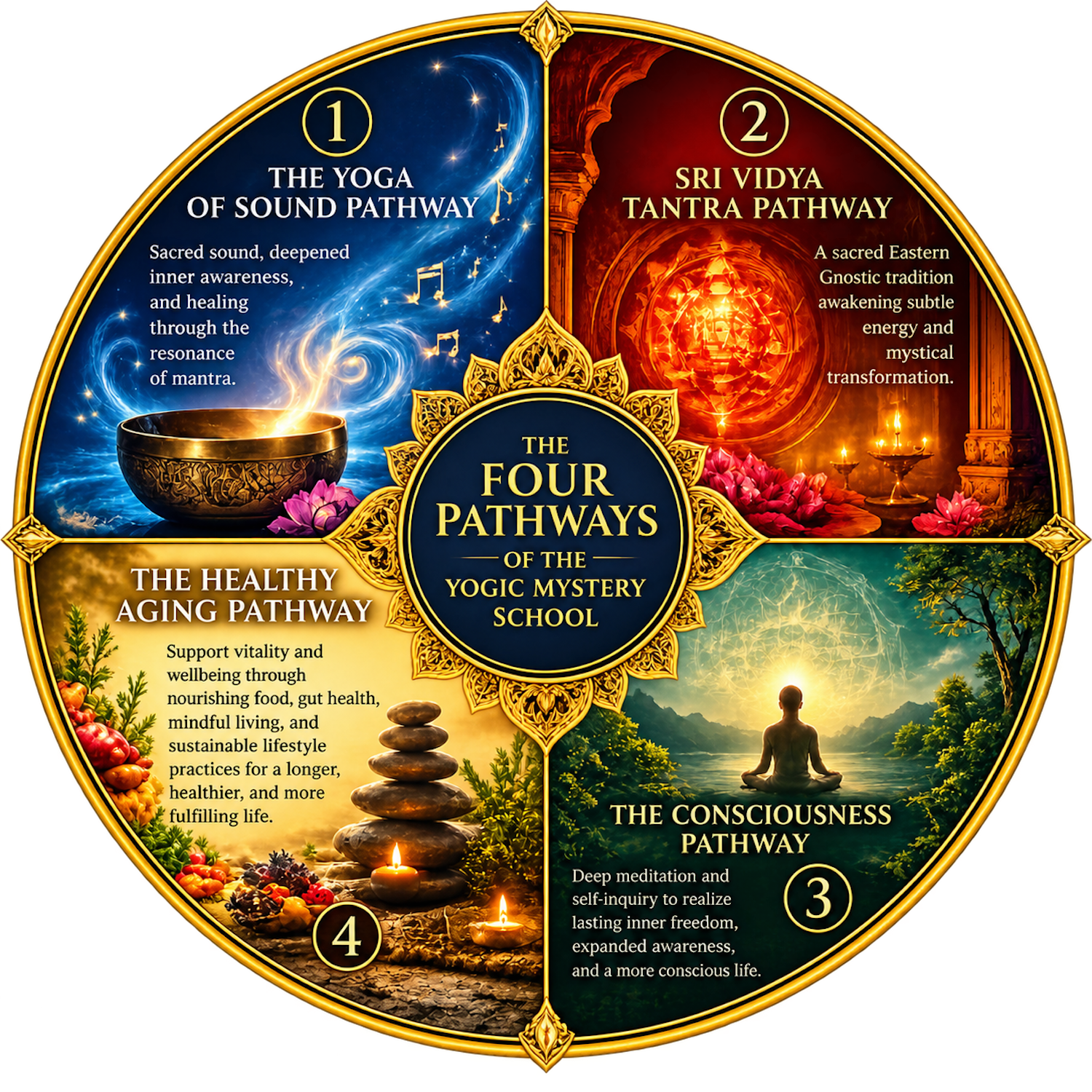
Russill Paul is the author of The Yoga of Sound: Tapping The Hidden Power of Music and Chant and co-founder of Yogic Mystery School with his wife, Asha, an integrative health coach. He teaches internationally and online. They live in Austin, Texas.
Our New Cooking Club!
Develop a sacred kitchen as you also learn healthy recipes and healthy cooking methods.

Asha Paul is an educator, author, coach, and passionate cook who is deeply committed to promoting health and well-being. Passionate about helping others feel their best and age gracefully, she shares her knowledge through online teaching. Asha resides in Austin, Texas, with her husband, Russill.